These are the books that formed the lens. Not everything read on Austrian Economics. Just the ones that changed something. The annotations are mine.
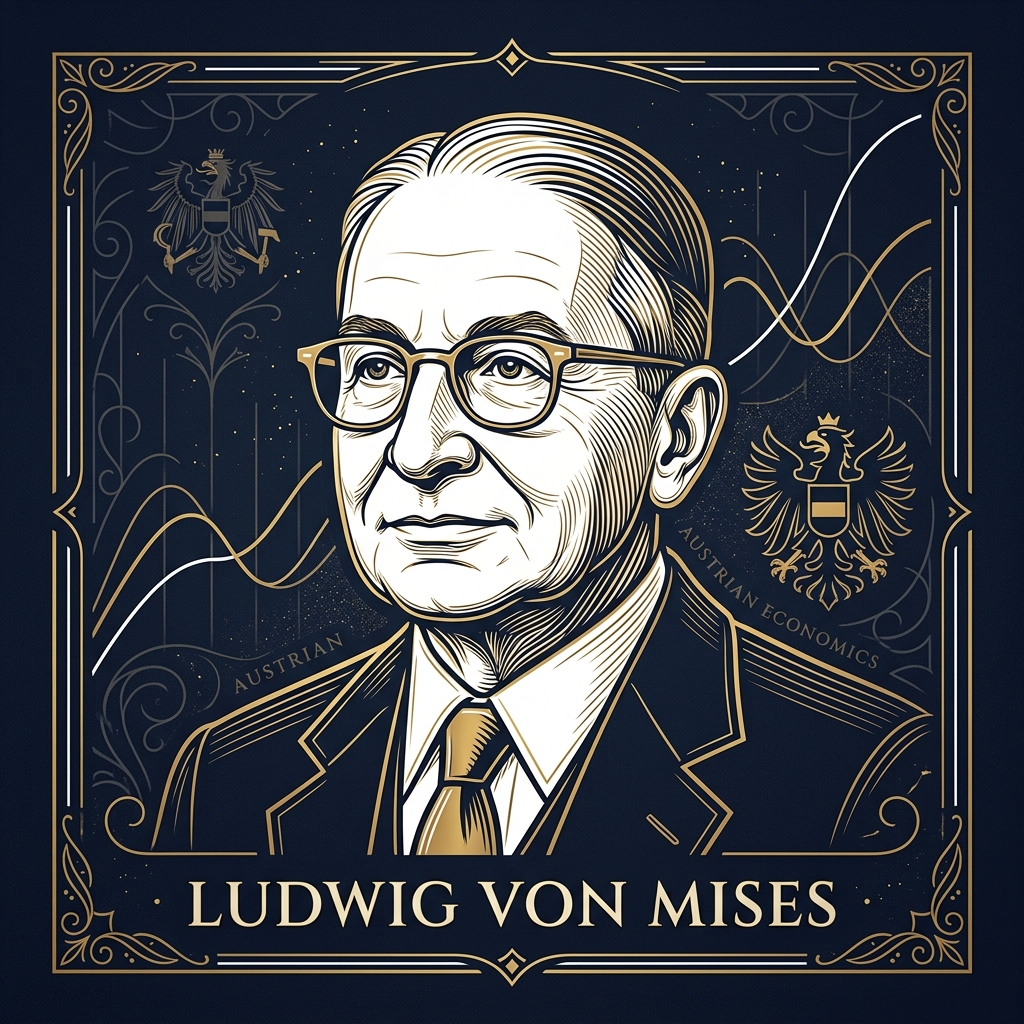
Human Action
The foundation. Praxeology as the logic of human choice, purposeful action under scarcity. Everything else in Austrian economics follows from this.
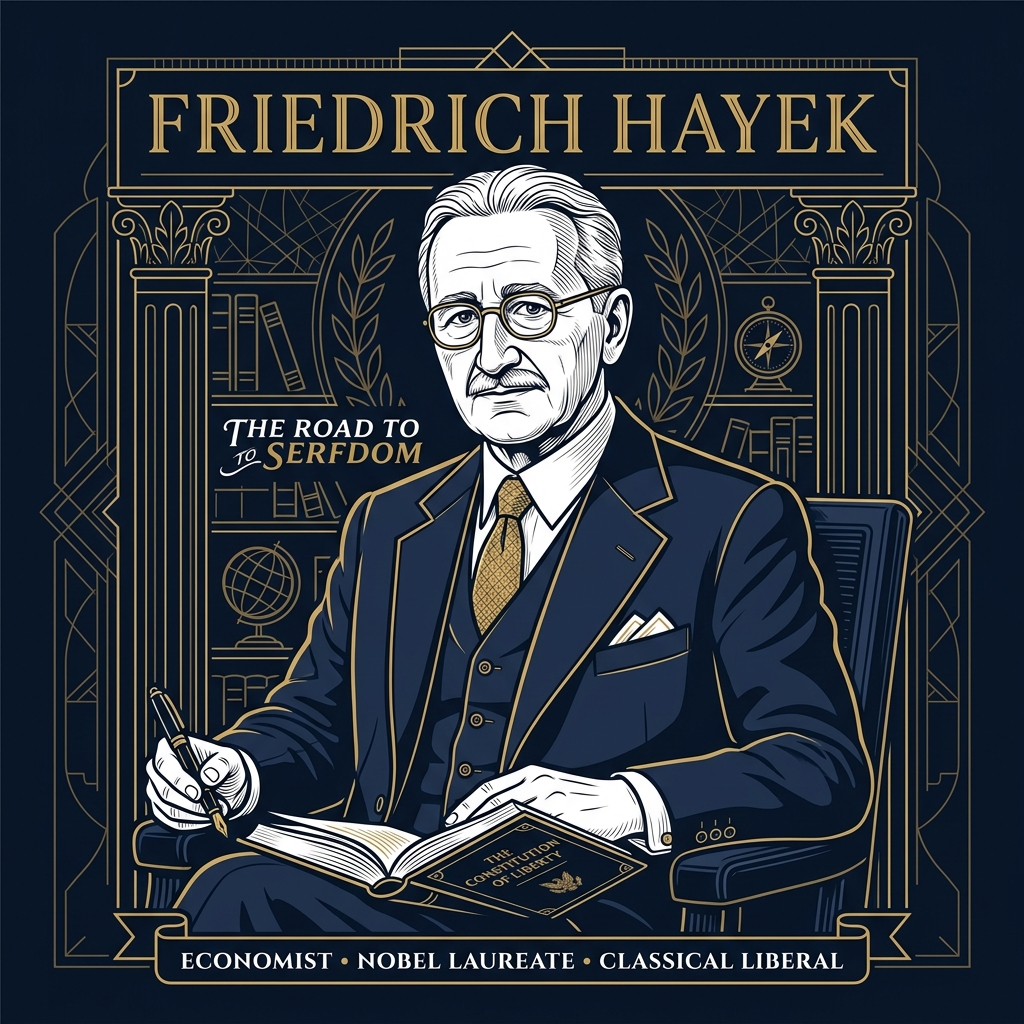
Prices and Production
Where the triangle comes from. Hayek traces how credit expansion distorts the structure of production and why the resulting boom must end in bust.
The Pure Theory of Capital
Dense and rewarding. Capital is not a homogeneous fund. It is a structure of heterogeneous goods arranged in time. That distinction matters enormously for investing.
Socialism
The calculation argument in its original form. Not a political critique, but a demonstration that rational economic calculation is impossible without private ownership of the means of production.
The Use of Knowledge in Society
Nineteen pages. The clearest statement of why dispersed, tacit knowledge cannot be centralised, and why prices are an information system, not just a rationing mechanism.
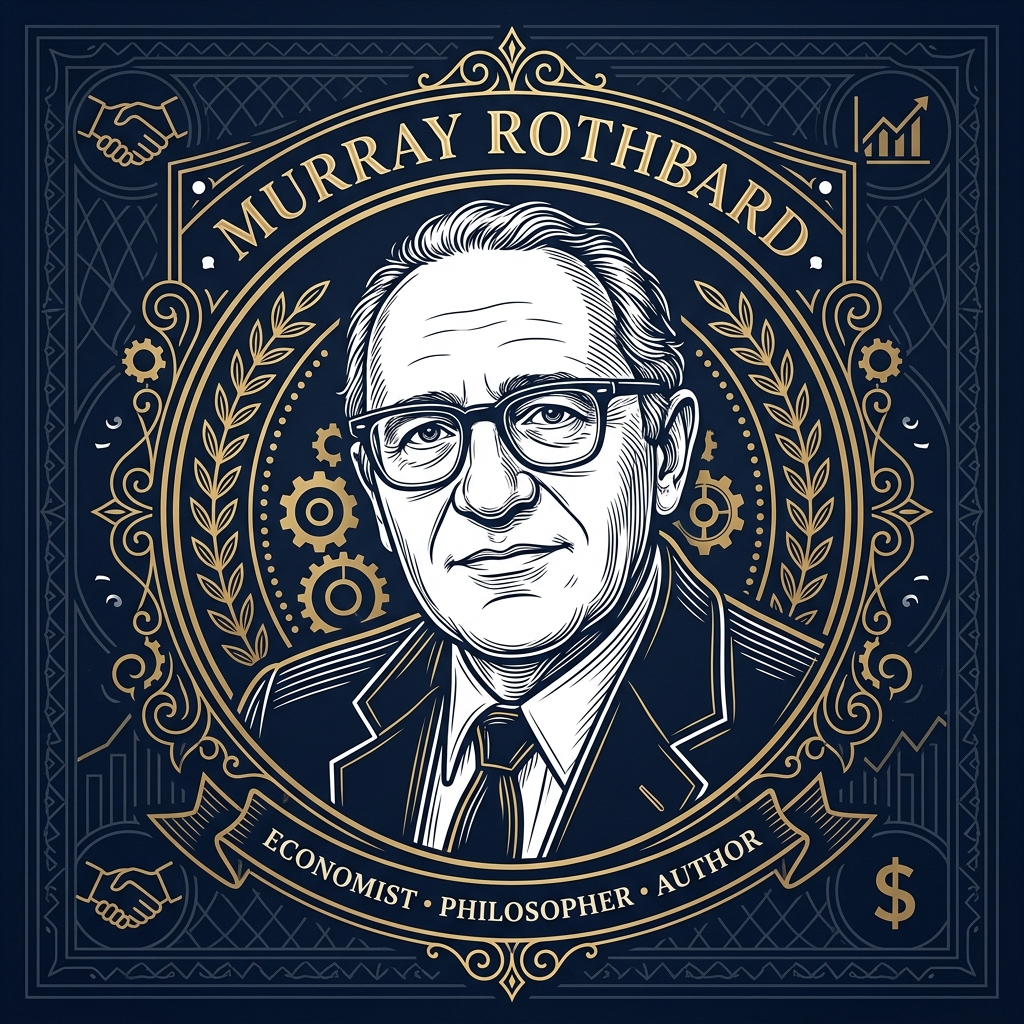
America's Great Depression
Austrian Business Cycle Theory applied to the 1920s boom. Shows exactly how credit expansion creates the structure of production that then must be liquidated.
Man, Economy, and State
Rothbard rebuilding economics from first principles. The production structure analysis here is the most thorough working-out of Hayekian capital theory I have found.
The Theory of Money and Credit
Where Austrian monetary theory originates. The integration of money into the general theory of value, something Walrasian economics still has not managed.
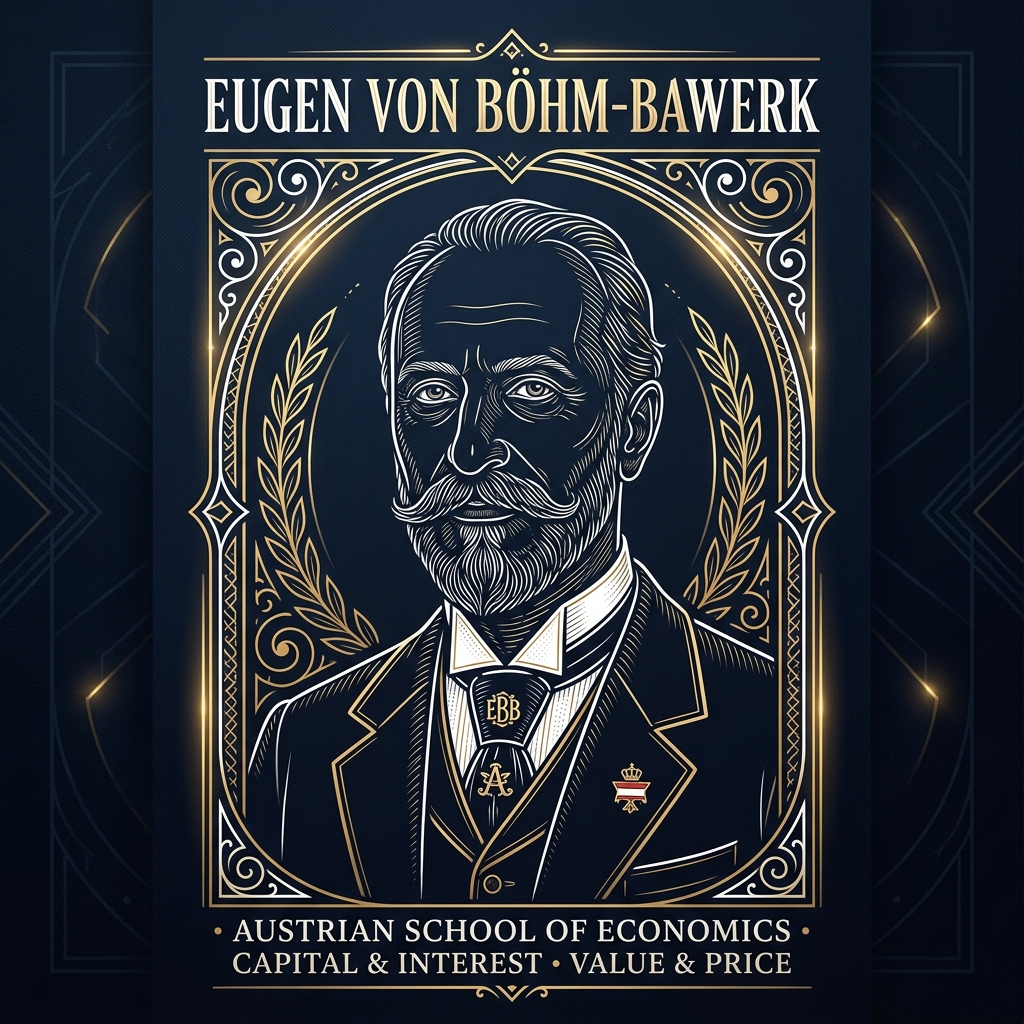
Capital and Interest
The origin of time preference as an economic concept. Böhm-Bawerk's insight that roundabout production is more productive but requires patience is the root of everything above.
Economics in One Lesson
The best entry point. Every intervention has visible beneficiaries and invisible costs. Hazlitt makes the unseen visible. Once you see it, you cannot stop.